“It was like a treasure trove” – Biel on her first encounter with Svensk Musik
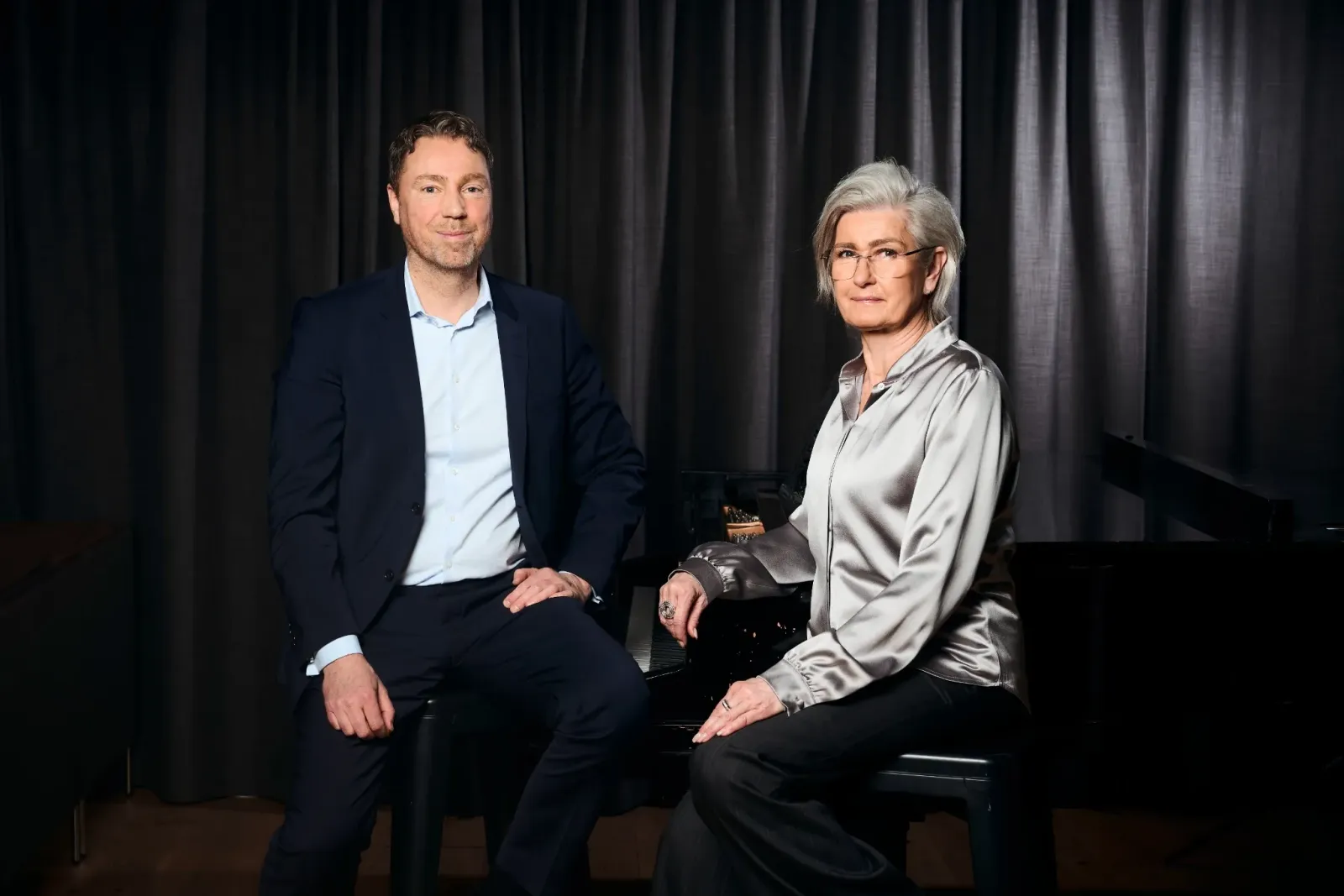
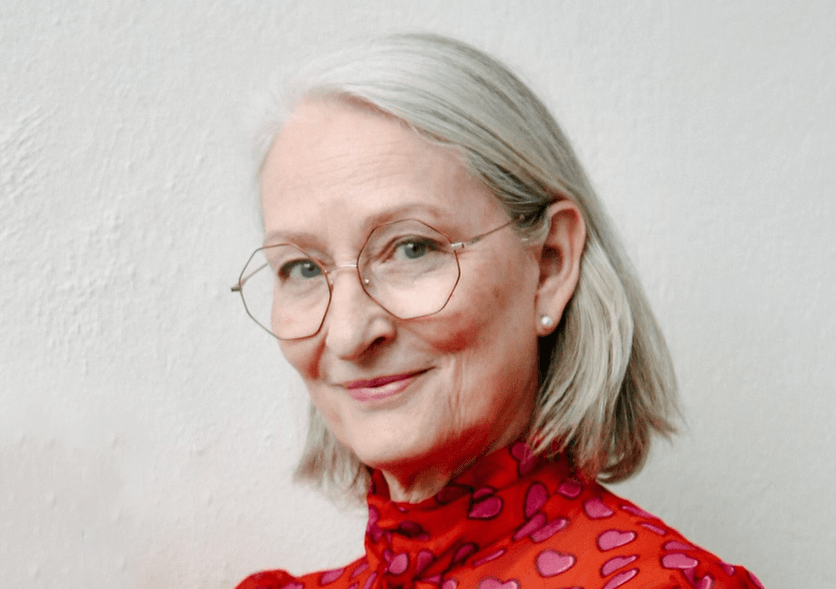
This year Svensk Musik turns 60 – a milestone for an organization that since its inception has worked to preserve, disseminate and make Swedish music accessible. The decision that formed the basis for it all, however, was taken by STIM's board as early as 1958. The same year Ann-Christin Biel was born, who decades later would go on to lead the organization through a decisive part of its history.
As Svensk Musik now celebrates 60 years, we take the opportunity to look back with the help of Ann-Christin Biel, who for fifteen years has led the organization with heart, sharpness and a clear conviction about music's power to move and change. But to understand the background of Svensk Musik, we need to go back to a time when musical life changed fundamentally.
The late 1960s were a time when culture flourished, in Sweden as well as internationally. Music, dance, art and film reached new audiences through television and became an important part of society-building. With greater possibilities for both recording and distribution of music, demand for sheet music also increased.
— Although there were more music publishers at that time than there are today, it was difficult for composers to get published, says Ann-Christin Biel. And those who weren't published also didn't have the same opportunity to spread their musical art, as it was called then. There was therefore a need for a platform that could gather their works — printed in complete materials — and make them available to musicians, singers, conductors and opera houses.
In response to this increased demand, STIM's board decided to start an initiative that met the need. After several years and meetings with the Ecclesiastical Department, the then Ministry of Education, Svensk Musik was founded.
According to Ann-Christin Biel's CV, her journey at Svensk Musik began in 2010 — but her first interaction happened much earlier than that.
— I started in 1977 at Ackis, the Royal College of Music. There I studied as a vocal soloist with Erik Sædén, a fantastic baritone who premiered lots of contemporary music, and through him I got copies of copies of contemporary arias. At the same time I had the English singer and cellist Dorothy Irwing as a teacher in interpretation. She too premiered much music and had close contact with various composers. So every term, believe it or not, we received catalogues of works from Svensk Musik where all the new works — but also older works for voice and piano — could be found.
Ann-Christin Biel describes the great wonder and fascination she experienced at gaining access to all this music, and at being able to see who the creators were.
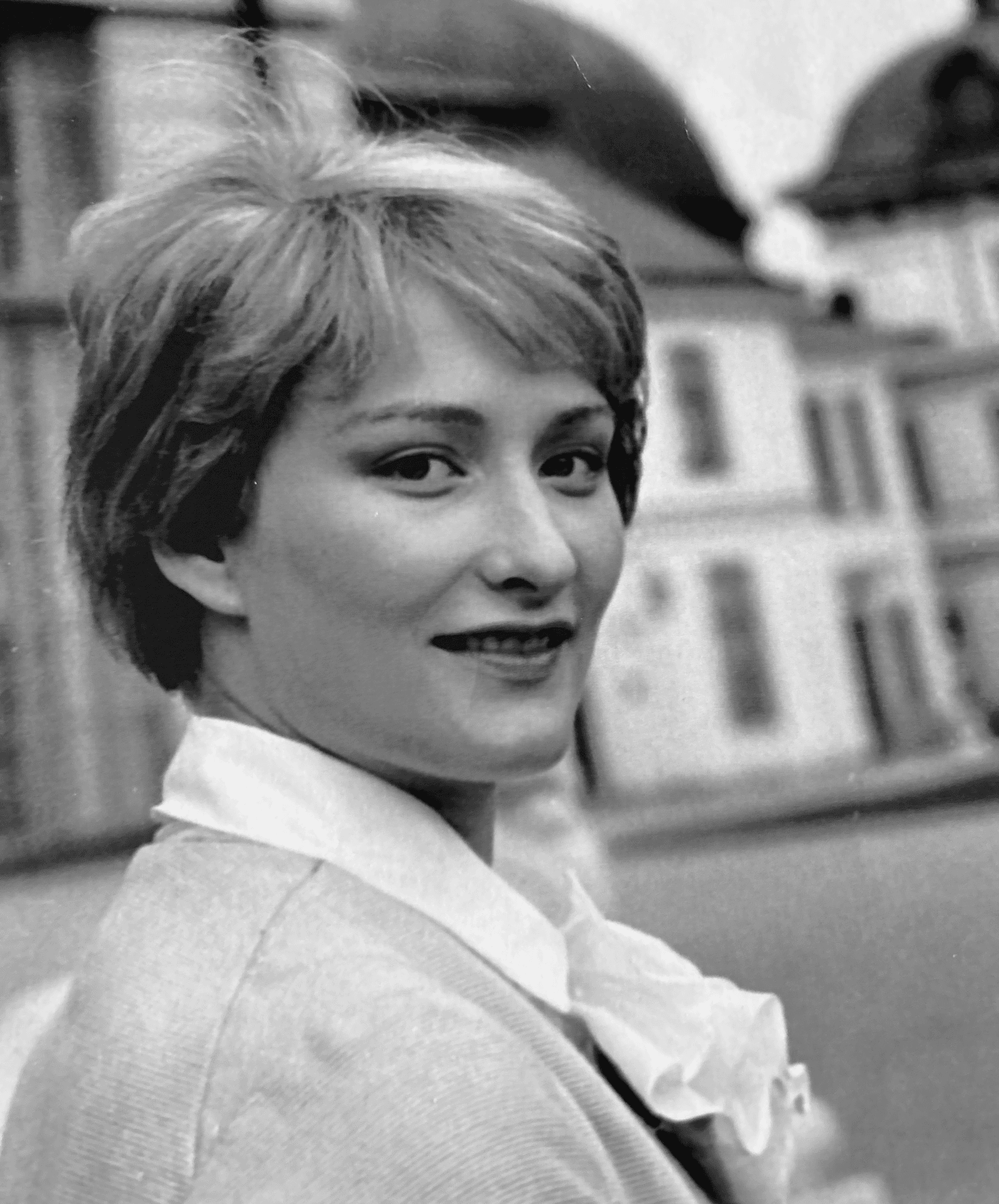
It was like a treasure trove for me! That's when I learned exactly that about Svensk Musik — that it held all the new music, both published and unpublished. And even today Svensk Musik is the destination for this — now with nearly 24,000 manuscripts in the collection, searchable via the web. It's astounding, unique and fantastic.
She draws a parallel between Svensk Musik's work and her 30-year professional career as an opera singer.
— As a singer my goal was to be as pure a tool as possible for the music and text I performed. Therefore I have always spent a lot of time reading about the period around a work's creation. What happened then? Are there diaries? Why did the composer choose this particular text? What was the source of inspiration? Even if you cannot get a certain answer about, for example, Mozart's intentions, you can investigate — and before you know it it feels like some pieces fall into place. You feel a strong inner voice for the music.
Ann-Christin Biel says that the same approach to the mission can be seen at Svensk Musik; constantly striving to be as pure a tool as possible, to realize the composer's idea.
— Their music should ring true. That is why it is magnificent that STIM, over 60 years, in close cooperation with the state through the Swedish Arts Council, has promoted music — what was previously called 'tonkonst' — in this way. A very beautiful word, incidentally.
How did you become involved in the organization?
— I lived in New York for a long time, and returned here and did several productions and concerts but felt that I wanted to do something more.
Ann-Christin Biel, who for decades had great respect and admiration for Svensk Musik's work, decided to contact their then CEO. The answer she received to the question of whether they happened to need 'someone like me' was, to Ann-Christin's great delight, 'yes'. For at that very time, in the autumn of 2010, Svensk Musik was looking for someone who could project-manage the work on the Opera Anthology for a year. A job that on paper, and as it soon turned out in reality, was tailor-made for the former opera singer.
When the fixed-term employment then expired, Ann-Christin was asked to step in as secretary to the board. A role she accepted. The next challenge came when the then head of operations wanted to step down, and again she said yes.
— It turned out, to my great surprise, that leading the organization — that was something I was good at.
And in the new role as head of operations she remained, up to today. It is obvious that she viewed her work as more than a job; the words and expressions she uses rather testify to a strong calling.
— I've always done a little more, tried a little harder. And I was probably needed exactly there, at exactly that time — and it has been fun and developmental for me too.
What has been most rewarding?
— I am passionate about making things easier for composers — so that they can convey to us what they write from their hearts.
— Therefore contact with them has been so inspiring! But also with musicians, conductors and of course the fantastic people who work at Svensk Musik. It's wonderful to be able to trust those around you.
The Opera Anthology, which was the real gateway into the organization, is of course close to her heart.
— In the end it became seven volumes, which was far from obvious. I was told that the work on the anthology would be shut down but was given three months to complete it. That summer I worked day and night.
The first four volumes published were solo volumes for voice and piano; soprano, mezzo/alto, tenor and baritone/bass.
— Then I managed to add three more volumes for ensembles and duets. Swedish opera, both unpublished and published, from 1873 to 2013. So now you don't need to go to Erik Sædén and get a copy of a copy to sing a fantastic aria. That's the difference Svensk Musik makes.
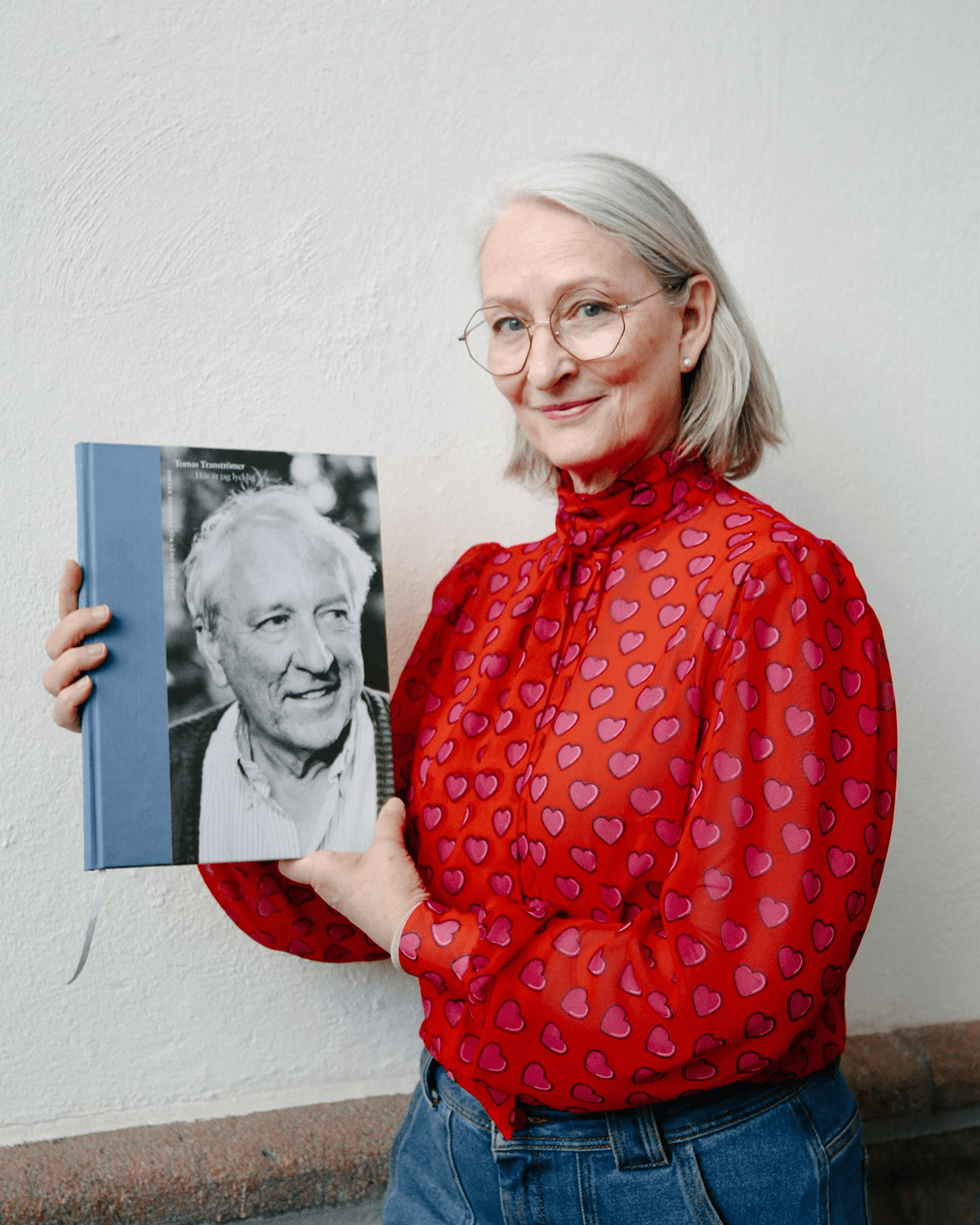
Another edition Ann-Christin Biel fought for and which finally became reality isHere I am happy— a collection of newly composed music to texts by STIM-affiliated Tomas Tranströmer for voice and piano. It was published during STIM's anniversary year 2023.
The changes she has personally contributed through her leadership are many and concrete. One example is how she structured the work of the then Scholarship Committee (now called the Scholarship Group) — that is, those who assess incoming scholarship applications. Ann-Christin ensured that the process was divided into two parts where the first part was anonymized, to make the assessment as fair as possible. In addition, new procedures were introduced regarding declarations of conflicts of interest, and clearer communication guidelines around the assessments.
— We clarified that all decisions about scholarships come from the group, but with an explicit responsibility for the individual to declare conflicts of interest and leave the room if a situation arises, which also reduces the vulnerability of those assessing the applications. It has become a very reliable process that I am both happy and proud of.
Her view of the future for Svensk Musik is bright.
— New composers and lyricists are coming all the time! And not only young ones, there are composers who are 98 years old and premiere string quartets, like Gunnar Bucht for example. There is such a richness among our members; there lies our source.
When asked about future challenges for Svensk Musik, Ann-Christin Biel mentions, like so many others, AI.
— Musical diversity and copyright are so genuinely rooted in STIM's DNA, and the work being done now around AI, including the new AI license, is very exciting. I am convinced that issues around AI will become even more topical going forward, for example regarding STIM scholarships.
As the conversation draws to a close, Ann-Christin Biel returns to what has always been her guiding star — the love of music and of the composers.
What is it to compose? It is to realize an inner dream. I am not a composer myself but that is how I imagine it. They are like wizards all of them who create something that has never existed before. It really touches me deeply, and has perhaps been my greatest motivation as head of operations. It would be terrible if Svensk Musik didn't exist.